Ups and Downs

Life is made of ups and downs as well as some straight sections, none of which last. I’m coming to the end of a five year down, with many fluctuating ups and downs in the middle. I can tell you it hasn’t been easy. Most of what made up this time could be best described as struggle.

After a stretch of optimism, starting a company, writing a book, painting some nice series’s, buying a home, renting a live/work space, showing my work in Manhattan, Living on both coasts, traveling to Europe and Africa, grand babies being born, life was not perfect, but it was a daring fun adventure. When it all came crashing down, followed closely by a worldwide pandemic and almost 2 year lock down which dramatically affected my household. My husband and I work in peoples homes. We design and remodel and help people decorate both homes and office space . I also stage homes for sale. We couldn’t work from home, we mostly couldn’t work at all. Even 2 years afterward we haven’t caught up and now prices are soaring, our rent, raised twice, is nearly double. We work seven days a week and never even go out to eat anymore.

I tell about these two different life experiences because they are what I’m talking about. Nothing lasts forever. Life is constantly changing. This is one thing we can count on.

Some of life feels like we are on top of the world. Other times feel like we are on the bottom. Even in a day or week we can rise and fall with whatever is happening in and outside of our homes. In some places they will say if you don’t like the weather, wait five minutes and it will change. If you can train yourself to wait, life is like the weather, always changing. Even in Southern California, where seasons aren’t a thing, we still have rainy years and dry years. Cloudy marine layer and sunshine. Hot dry Santa Anna’s and sticky wet humidity. Change happens. If we are ready to take it on, we are happier than if we fear it.

A regulated person is able to take ups and downs more smoothly. A person who knows and accepts the nature of change has confidence that they will be alright. They know they can regulate their state when necessary. Ride the highs and lows of life better because they are not at the mercy of feeling bad, they know they can change their state, even be content while still engaged in struggle.

I did this. I had many happy regulated times while struggling through Covid, rising costs and even losing my business. I have improved my ability to move out of dis regulation faster and that has given me confidence and a measure of peace.

I’m just pointing out the obvious. Life takes many turns. You may not know what is up ahead, but you do know yourself, if you know what gets you regulated, you know you can take steps toward regulation at any point. You have that power to use any time you want.

Another good reason to practice soothing regulating tactics when low times come along.
Peace regulation

When I first wrote my book ‘Peaceful Hearts’, I titled it ‘Wild Hearts’.

It came from the idea that wild hearts can’t be broken, even if they feel that way. Someone later looked at my book and was very adamant that hearts can’t be broken. I’m pretty sure she was too young to have been in love, or to be a heart surgeon or a trauma councilor.

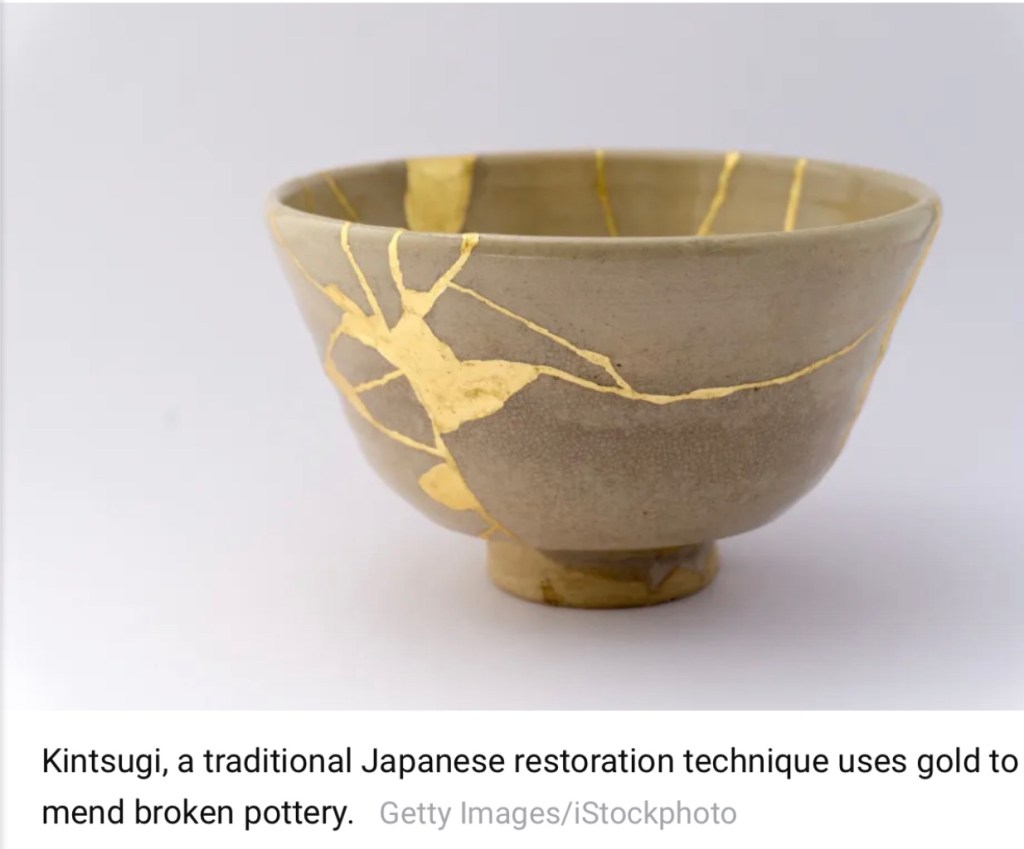
Is it possible that our hearts are broken over and over and then mended again and again? Maybe this is the uniquely human experience. Like the Japanese broken pottery Kintsugi tradition, put back together with gold. Not only is the vessel stronger, but it becomes more beautiful with every golden seam.

Could our broken hearted moments be opportunities for metaphorical golden repair? Our opportunity for light and strength to fuse us back together?

To be able to celebrate the repairs, we need to practice the repair process. As we do so, we can only get better at it. Regulating ourselves back to a peaceful state is a skill we can be constantly honing.

I used to spend more time and energy on my disregulation. I’d think more dis regulating thoughts, worry, blame, concentrate on what was wrong, why it was wrong, the unfairness, the woe. I had long explanations, and if I didn’t, I would spend days wondering where I went wrong and generally get myself to feel worse and worse. I thought this would help me to feel better, I also had the notion that if I figured it out, I would never feel depressed again. I truly believed that there was a fix and I had to find it. I could then stop making giant life errors and be in a constant state of peace and happiness. I read a lot of self help books that promised exactly that.

I wrote Peaceful Hearts because I lived with toddlers. They tend to run through all their emotions over and over all day long. Some amount of time would be spent helping them regulate. I saw my daughter-in-law, a yoga teacher, remind her little ones to breathe when they were upset. This helped us all. Everyone in the room would start paying attention to our own inhales and exhales.

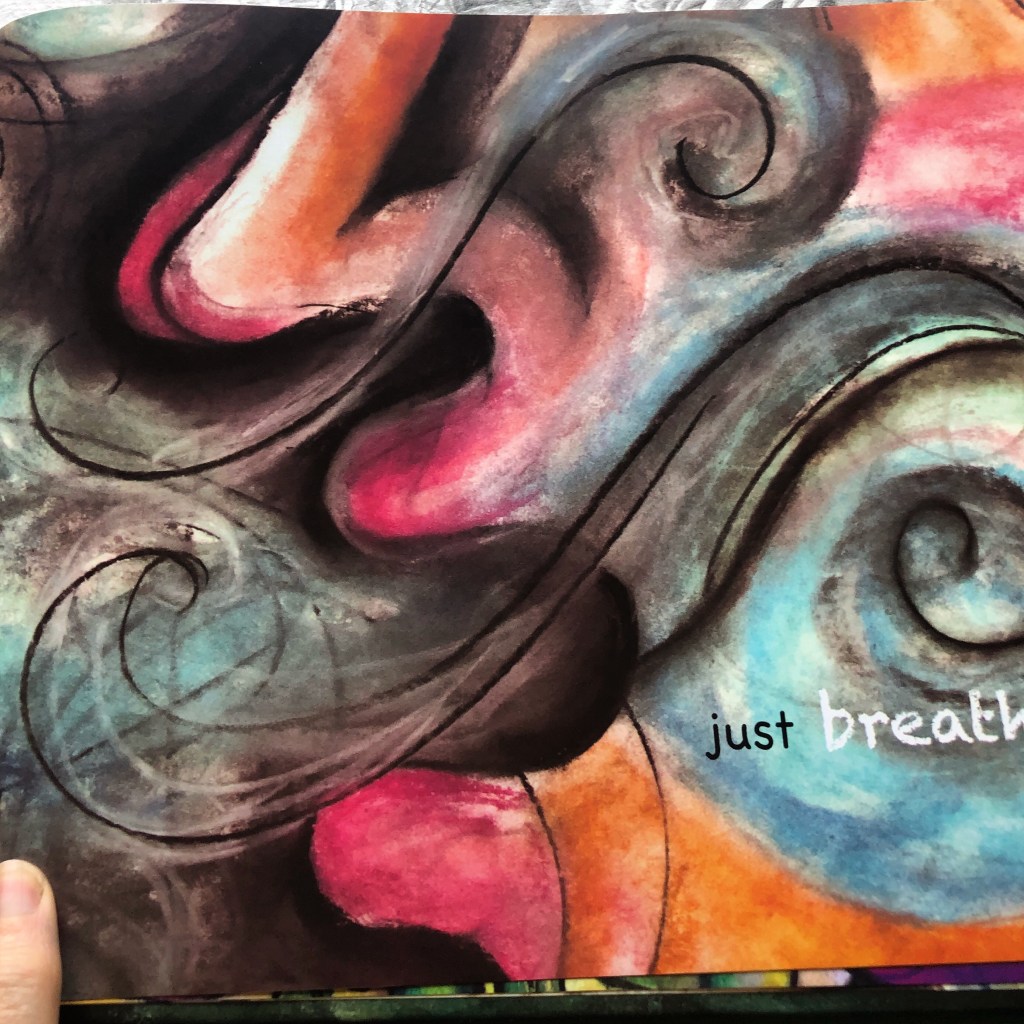
I wished I knew about breathing when I was younger. I learned the power of breath in my yoga classes, and had the ideal to spread this magical breathing tool to everyone, yogi or not, by creating a simple bedtime story.

It’s interesting how it’s expected that babies and young children melt down, then as we get older, emotion is something we expect should only be positive. It is a sign of maturity to control our behaviors, I support that, but I think it’s less helpful to expect older children and adults to never have negative emotions. We all do. Is it helpful to pretend we don’t or shouldn’t?

My new thinking is that getting knocked out of balance by emotion is normal and will keep happening for as long as we are alive. People, situations, weather, traffic, every day there are potential triggers. Every moment we meet the world in a different mood.

Better to accept dis-regulation and then start moving toward a more comfortable state as soon as possible. This makes way more sense to me now. Peaceful Hearts is a book about regulating the self through less positive emotional states by breathing consciously. It was meant to be read over and over. I didn’t know the terms regulate and dis regulate when I wrote it, but it works. Its what I wrote it for. Same with my new book Beatrix Butterfly. Butterfly-breathing is another breathing technique for regulation.

Good News

The good news is that we can always regulate and re regulate and re regulate again. The other good news is that we get better at it with practice.

The bad news is that we will never stop becoming dis regulated. Life will always find ways to knock us out of balance. Maybe that’s part of our growth.

I think having this understanding has liberated me. Before, I was trying to fix myself into a person who was always happy, I thought if I could just achieve this or that, and arrive, I didn’t want or know to accept a bumpy life path, I didn’t know I was chasing an impossible thing, but the chase was incredibly discouraging.

I may have spent a huge amount of time comparing my inner faulty self with other people’s outward appearances. Social media makes this too easy.

There’s another dangerous notion that I had. If I didn’t stay happy and keep my vibration high enough, the things I wanted would be kept from me. I wouldn’t be able to ‘attract’ anything good if i didn’t constantly flow along in a happy state. In other words, if circumstances aren’t what you’d like them to be, it’s your fault. I do agree that when I am in a calm, confident regulated state, things do feel easier. I can see things in a more positive hopeful light. My mind will sift and sort and see good just as when I’m upset I’ll see more reasons to be upset. At the end of the day, it just doesn’t help to get down on my already down self for getting triggered and failing to be ‘happy’.

If, instead, I just see that I’m in a dis regulated state, and take some steps toward regulating, I can help the process along. Things get clearer quicker and so much easier. Blaming my off balance self for failing out of balance and then being out of balance (and blaming everyone and everything that pushed me out) is lame. It slows down moving through it and makes me just feel worse.

It has never helped to believe that if I just get X then I’ll be happy. Similarly believing that I have to be happy without X in order to attract X into my life. X doesn’t equal the answer. X isn’t the answer. If you don’t believe me look at the people who have your X. They get disregulaed. Good examples are celebrities who have what looks like everything on anyone’s happy making list.

They’re slim, beautiful, rich and successful. They have fun things to do with tons of friends, perfect spouses, darling children. Giant homes, several cars, etc etc How could they ever be unhappy? If having X was the answer they’d be shining examples of happiness. There seems to be a lot of drug and alcohol related dying in the celebrity life world and plenty of drama.

I’m just saying there is no one answer. The best anyone can do is to spend more time in a regulated state. With or without X, getting better at regulating is a good thing. And it’s good news that we can.

I’ve learned that it’s really more about my feelings in any moment. When I’m calm and regulated, I can experience my circumstances differently than when I’m not. Just knowing I have ability to regulate my self into a better feeling state, is huge.

Getting to the Fun Part

Life is weird. After so many years trying to be one of those happy people (you know them from TV or Facebook), I came to understand that no one is happy one hundred percent of the time. Some people spend more time in a happy state, some people are really good at pretending to be happy, but everyone has difficult things to navigate. That’s life.

I can wonder all I want about why this is, but I think it’s enough to accept it and move on to what I recently learned. Which is that I can get better (and I have) at regulating after an upsetting thing happens. I can always reach for a better feeling thought or idea. Feelings are in constant flux, changing and moving like weather patterns.

Unlike the weather, I can influence my feelings. I have choices. I can make uncomfortable states such as sadness or anger bigger and more intense or I can make them smaller and help dissolve them. These are choices I did not know I had. In fact when I first heard it suggested I was a little mad. I always thought my emotions were driving me, they’d pop up suddenly and I’d be happy or sad or frightened, without warning, with what I thought was no control. A good thing would happen and I would feel happy, then something else would happen and the good feeling would disappear. I was at the mercy of everything and everyone or so I believed…

Now I accept that yes, life happens, but with this one difference. I know how to regulate myself. I know a few tricks that can soothe me into feeling ok. When I remember to use them, I can return to a calm confident state on my own. I don’t have to wait for something to happen. I don’t have to wait for people to change their behaviors. I don’t have to wait for traffic or circumstances to improve. I can work with what I have to regulate, or I can go get or ask for what I need.

This is a revelation to me because I used to operate from the perspective that I’ll be happy when… when I make this much money, when I have this or that, when more people are nicer and more supportive. When life changes…

Now I see that I had it backwards. I just need to point myself toward happier thoughts and regulate my brain for this moment. When I’m fine in my now, I can reach for more fun, but if I’m busy lamenting or forecasting the worst and finding reasons to be fearful, I’m not helping myself to feel better, I’m making myself feel worse. if nothing else, it’s a waste of time and brain power.

Make the good things bigger and the bad things smaller inside my head. This is what I’m training my brain to do. Finding more things to be thankful for is a shift I made so that the percentage of helpful thinking is more than my unhelpful thinking.

A Call for Compassion

When things aren’t going well, I’m tempted to get down on myself. I often go straight to negative self questioning. Here’s the thing, I’ve learned that actually, it’s not really helpful to blame, punish or beat myself up. Ever. I used to think it was a normal reaction to get mad at me, but what I’ve come to realize, is that what IS helpful and what I’m mostly craving, is gentle understanding.

When life messes with my regulated state, I have to remind myself to be a good friend to myself. I want to be a friend, who asks good questions and cares. The kind of friend who wants me to have what I need and helps me find it. That same friend will be honest and easy to be truthful with. She will gently encourage me to take responsibility. She will remind me of who I am, of my strength and capabilities. More than a nap or some chocolate, I need to give myself some gentle attention because that is far more helpful and regulating then what I’ve done in the past.

My goal now is to do whatever I need to do to re regulate. Finding my way back to fine is not always the same path. It’s different every time I fall or get lost in a dis regulated state. This is why I need my own focused attention. Sometimes I’m so far from fine, I need a triage-like approach to start off. Some days I just need a walk. If I don’t spend a moment paying attention, how will I know what to do? I used to make my dis regulated state last longer and be exponentially harder, I always eventually level out, but why not try compassion and aliviate my suffering instead? Shorten my angst? Yes please!

Triggers

Now that I’m aware of this state of dis regulation and have a name for it, I seem to recognize when it happens much faster. I’m also quicker to move my way through it and back to a regulated state. Usually there is something called a ‘trigger’ that sets off what feels like an unraveling of a perfectly fine moment. A trigger is a real life happening even if I can’t tell what it actually is in the moment. I think it’s important to know that knowing or not knowing what prompted the disregulation is not the most important thing. Some people do focus on figuring it out and then try to avoid being triggered as much as possible.

This is one approach for sure, but it hasn’t worked perfectly for me. Triggers happen randomly in all kinds of different situations. I prefer to try my best to take the best care of myself going into every interaction (this seems to lessen the disregulation, if it happens) and then I compassionately take care of myself afterward.

Triggers happen, they are part of living life. Even if you never leave your house, television, social media, family members, even text messages can be triggers. Someone saying an unsupportive thing. Movies that remind us of past trauma, really anything that reminds us of a past angst. Disheartening conversations, rushing, comparing oneself to others, even a bad dream can be a trigger. Though we can avoid more obvious ones, I think it would be impossible to avoid them altogether.

Best to recognize the feeling of being off. Knowing the little nuances of my own distegulated behaviors is helpful. I tend to feel ( and act) like a whiney toddler who needs a nap. Allowing myself to feel affected and acknowledging it, is important. It never helps to say it’s nothing. If I find myself in the throngs of dis regulation, it’s never nothing that set me off. Being triggered is not my fault, it’s a completely normal human response. I first have to accept that something, even if I can’t name it, triggered me out of a regulated state. It doesn’t help to say I’m fine. I WILL be fine, but for a little while, I’m really just not. At this point it’s time to step up and be my own best friend.

There’s a little girl on YouTube who is sad and obviously dis regulated. Her father is trying to help her. He asks her what’s wrong but she doesn’t seem to be able to say. After he turns off the camera and comes back he says “ so you think some music and maybe something to eat will help?” she then becomes animated and quickly agrees. The best line is “ Fraggle Rock has music…” the final scene is the little girl eating a sandwich kicking her legs happily while watching her musical show.

Truly, it can be this easy to get back to happy, but I always need to remind myself, that steps must be taken. Otherwise my disregulation might go on for days, twisting and shifting into other less happy emotions. Bottled up feelings don’t move up and out.( they may just morph into worse ones). Taking on the responsibility of caring for my out of balanced self, I’ve learned, is so important. Recognizing a trigger or an early feeling of dis regulation does keep getting easier with practice.

I hope this is helpful to learn about. I hope me slowly learning self awareness will help others see that its doable. And useful.

Simply Breathe

In a dis-regulated state, often the smallest action can make a huge stride toward restoring balance.

I like knowing that my best goal is as simple as changing my mind. but if you can imagine being or are in a state of dis-regulation you will know that simple is not the same as easy.

One trick that I learned in yoga is to breathe slowly and deeply. Even just the slight shift of paying attention to how I’m breathing and influencing it by trying to breathe into my belly before pressing all the air out, will help me focus away from fear and begin to return to regulation. Sometimes I’ll try to make my out breath longer than the in. There are many different breathing techniques. I like doing ‘box breathing’ (you can google it) as well.

Breathing is something everyone already knows how to do. Focusing on it is something anyone can do anywhere at anytime. No one else needs to know when you are practicing. Standing in line, sitting in traffic, in the middle of the night, (it can even help me fall asleep.).

The hardest part I find, is probably remembering to do it. Before I did yoga I was a very shallow unconscious breather. Even now, in a stressful situation I think I actually forget to breathe. After years of practice, I will still get upset and my body will have to yawn or pull in air with a sigh. That little unprompted shudder now reminds me to pay attention. I like the concentration it takes because conscious breathing always pulls my mind back to the present. My yoga teacher says no one can breathe in the past or the future, you can only breathe in the present. So while paying close attention to breathing, I am thwarted from worrying or lamenting. I am also pulled away from my over thinking mind and back into my body.

I sometimes forget about my body, which I know sounds odd. As an artist, I like feeling lost in my work, which is another way of losing awareness of my body,. Reading, I notice, is another. I’ve since learned that when my body awareness returns it feels good. It can help me feel grounded and clear. Breath work is the simplest way that I know of to return to the present moment, get out of my racing mind and feel that I’m ‘back’in my body.

I wrote and illustrated a picture book about breathing, partly because of my pesky forgetfulness. I have been restored to a regulated state so many times by a breath centered yoga class. Yet it still feels like a miracle every time I come from a dis-regulated state into a peaceful one with just breathing! I still get side tracked with fear or worry and forget.

I want for kids to be able to learn this simple skill because I wish I had it growing up. I also wish I had it as a young mom. It’s a helpful practice I always return to.

Working on my book and attending yoga classes definitely helped me forge my own breathing practice. My favorite stories are from young moms with little ones who after reading my book over and over every night, witness their kids using conscious breathing when they get upset. (Check out Peaceful Hearts on Amazon for a digital copy), research breath centered yoga near you…or just give it a try next time you find yourself in traffic.

breathecentricyoga.com

Motivation

I recently learned about a condition called C-PTSD. I feel like my learning about this was a clear divide. Me before I knew there was a thing called complex post traumatic stress disorder and me afterward.

Not everyone will take this in, I completely understand. I have been living in a community that probably doesn’t suffer from this at all. Since I do and it’s clear that I have for as long as I can remember, it makes it interesting and raises questions. Do I try to explain or do I just move forward incorporating this new understanding for myself?

I decided to find an online community who may also benefit from knowing about this. With this side note: as I have always known that there was something different about me, I was constantly trying to remedy what I felt was ‘wrong’. This lead to a whole lot of compassion, understanding and self soothing tactics which I think might be helpful to others.

I have researched and tried so many different philosophies to try to ‘fix’ myself, it could be considered embarrassing. Little did I know I was becoming pretty skilled at regulating my brain and body during tough moments.

Where I used to think that I lacked motivation and follow through, I now see that I actually had both. Not in the ways that I had hoped, not so obvious to anyone, but so much so that I can say I’m good at something I didn’t know was even a thing. Self regulation. It IS a thing and ptsd or not, everyone can find some peace when they learn to do it.

I’m going to highlight different ways to calm our nervous systems. If it sounds crazy, well, maybe it is. Here’s hoping it will be amusing and helpful and enough so that anything crazy will be overlooked.

Hello World!

Welcome to WordPress!

Hello World!

Im Andie.

I have some ideas that I hope will be helpful. I’ve spent most of my life looking for ways to improve and live not only more authentically, but with grace. Grace from being peaceful, kind, calm and loving. I’ve spent a lifetime making art, writing, reading and teaching art. Along the way, I’ve fallen short. I’ve lost my footing. I’ve failed miserably at seemingly easy things. I’ve made huge mistakes Like most everyone, I’ve lived through tough times…

I’ve also learned. I’ve stood up and tried again and again and again. I can tell you that I’m terrible at many things and the older I get the more I feel like I don’t know. Plus I tend to lose interest easily, so there’s that.

But

One thing I will say and I can say for sure, is that I do know how to pick myself up, dust myself off, and find a way that’s better.

This blog is about regulating because the one skill I seem to have practiced, for way more than ten thousand hours, is that. Re regulation. I didn’t even know it was a thing until quite recently, but I am confident that I’ve honed this skill and continue to hone it every day.

I invite you to join me as I move ever more toward a more consistent regulated state. I have a constantly expanding tool kit of ways to regulate, some of which, I hope you will find useful. I’m all about adding quality to life, even the weird moments. Probably especially the weird moments. One thing I’m really good at and truly enjoy doing, is making anything better…

Regulation: What Is It?

I’m going to start here. Since the terms regulated and dis-regulated are extreme opposites, I think it helps to know them together since they help define each other.

We all get disregulated and we all return to a regulated state. It’s part of being alive. Think of a gazelle being chased but not caught by a lion. If you’ve ever seen this on a nature show, usually with drum music playing up the chase, you can almost feel the fast heart rate and panic of the running for its life animal. And then as the lion falls back and gives up, the gazelle rejoins it’s herd and goes back to grazing as if those frightening moments didn’t just happen.

We aren’t gazelles, but sometimes life can get our hearts racing and fear can block out our otherwise ordinary day. It doesn’t matter what grips us with fear or anxiety or anger, we all know it when it happens. That feeling of utter angst. That is disregulation. If you have any form of PTSD, angst can flair up suddenly with no warning. All at once you are too angry or sad or fearful to even have a clear thought.

Eventually you calm down, relax and feel fine. You might get riled back up if you tell and recall some of the details, but eventually you return to a general feeling of fine. That feeling of neutral, calm confidence is the feeling of being regulated. It’s a feeling we generally like or we aren’t overly aware of.

Dis-regulation takes many forms. Think of a toddler being inconsolable over the wrong juice cup. A frustrated boss or parent shouting down at an obvious subordinate. Even a pet owner with an out of control dog. I’ll talk more about getting disregulated in another post. Just know that being regulated is a sharp and refreshing contrast.

In a regulated state conversations are light, decisions are simpler, our bodies are relaxed. It’s easy to have a change of mind or shift plans. We feel calm and relaxed and open. Exercise, eating well staying hydrated are simple components of a balanced life, not a white knuckle battle of internal will power. Interactions with others are comfortable. if there was a secret to a happy life, it would have a lot to do with spending more time in a regulated state.

Contentment, comfortable in your body and life, it’s a feeling of all over enough-ness. Often when we judge ourselves against another it’s because we sense their regulation and wish that for ourself. And how could we not?! Some people can feign regulation, but usually it’s self evident. Comfortable feels good both inwardly and outwardly. The good news is that we all have access to it and the not so good news is that we all fall out of it. Life can almost be broken down into two states. The desired one is regulated.